
The Step-by-Step Process of a Professional Chemical Peel Treatment
- posted: Nov. 04, 2025
Healthy, radiant skin doesn’t just happen by chance—it’s often the result of expert care and professional treatments designed to restore and rejuvenate. One of the most effective ways to refresh dull, uneven, or aging skin is with a chemical peel. At the Skin Cancer and Dermatology Center, with locations in Colorado Springs, Pueblo, and Trinidad, CO, board-certified dermatologists provide customized chemical peel treatments that safely and effectively renew your complexion.
If you’ve ever wondered what happens during a professional chemical peel, here’s a step-by-step look at how this treatment works and what to expect from start to finish.
Step 1: Personalized Skin Evaluation
Every chemical peel begins with a detailed skin evaluation. During your consultation, the dermatologist will assess your skin type, tone, and texture, as well as discuss your goals—whether you’re targeting acne scars, fine lines, sun damage, or uneven pigmentation.
This initial assessment helps determine the best type of peel for your skin, from gentle superficial peels that refresh the surface to medium-depth or deep peels that address more advanced concerns.
Step 2: Skin Preparation
Before the peel is applied, your skin is carefully cleansed to remove makeup, oils, and impurities. In some cases, a pre-peel solution is used to ensure even penetration of the treatment. This step helps prepare your skin to absorb the peel’s active ingredients effectively, allowing for optimal results and minimal irritation.
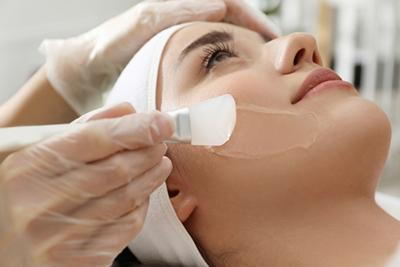
Step 3: Application of the Chemical Solution
Next, your dermatologist applies a specialized chemical solution to the skin. This solution often contains ingredients like alpha hydroxy acids (AHAs), beta hydroxy acids (BHAs), trichloroacetic acid (TCA), or phenol, depending on the depth of the peel and your specific needs.
The solution works by gently exfoliating the skin’s outermost layers, encouraging the removal of dead cells and stimulating new cell growth underneath. During this step, you may feel mild tingling or warmth, which typically lasts just a few minutes.
Step 4: Neutralization and Soothing
Once the desired exfoliation level is achieved, the peel is neutralized or removed to stop the chemical reaction. A soothing serum or cool compress is then applied to calm the skin. Your dermatologist may also apply a protective moisturizer or sunscreen before you leave, as freshly treated skin is more sensitive to sunlight.
Step 5: Post-Peel Care and Recovery
After the treatment, your skin may appear slightly pink or feel tight—similar to a mild sunburn. Over the next few days, light flaking or peeling may occur as new, healthy skin emerges.
Your dermatologist will provide personalized aftercare instructions, which often include:
- Avoiding direct sun exposure
- Using gentle, non-irritating cleansers and moisturizers
- Applying sunscreen daily
- Avoiding exfoliating products until the skin fully heals
Proper post-peel care helps protect your results and keeps your skin glowing long after treatment.
Step 6: Enjoying the Results
Within a week, you’ll start to notice smoother texture, brighter tone, and a more even complexion. Fine lines, acne scars, and dark spots may appear softer or reduced. For lasting improvement, your dermatologist may recommend a series of treatments spaced several weeks apart.
At Skin Cancer and Dermatology Center, each chemical peel is customized to meet your goals and skin needs, ensuring results that look natural, refreshed, and healthy.
Rejuvenate Your Skin with Expert Chemical Peel Treatments
If you’re ready to reveal your healthiest skin yet, the team at Skin Cancer and Dermatology Center offers professional chemical peels designed for safe, beautiful results. Whether you’re new to skin rejuvenation or seeking advanced care, their experienced dermatologists are here to guide you every step of the way.
Call today to schedule your consultation:
- Colorado Springs Location: (719) 574-0310
- Pueblo Location: (719) 564-5544
- Trinidad Location: (800) 290-2478
Rediscover your natural glow with professional skincare tailored to you—only at Skin Cancer and Dermatology Center.
- posted: Nov. 04, 2025
Healthy, radiant skin doesn’t just happen by chance—it’s often the result of expert care and professional treatments designed to restore and rejuvenate. One of the most effective ways to refresh dull, uneven, or aging skin is with a chemical peel. At the Skin Cancer and Dermatology Center, with locations in Colorado Springs, Pueblo, and Trinidad, CO, board-certified dermatologists provide customized chemical peel treatments that safely and effectively renew your complexion.
If you’ve ever wondered what happens during a professional chemical peel, here’s a step-by-step look at how this treatment works and what to expect from start to finish.
Step 1: Personalized Skin Evaluation
Every chemical peel begins with a detailed skin evaluation. During your consultation, the dermatologist will assess your skin type, tone, and texture, as well as discuss your goals—whether you’re targeting acne scars, fine lines, sun damage, or uneven pigmentation.
This initial assessment helps determine the best type of peel for your skin, from gentle superficial peels that refresh the surface to medium-depth or deep peels that address more advanced concerns.
Step 2: Skin Preparation
Before the peel is applied, your skin is carefully cleansed to remove makeup, oils, and impurities. In some cases, a pre-peel solution is used to ensure even penetration of the treatment. This step helps prepare your skin to absorb the peel’s active ingredients effectively, allowing for optimal results and minimal irritation.
Step 3: Application of the Chemical Solution
Next, your dermatologist applies a specialized chemical solution to the skin. This solution often contains ingredients like alpha hydroxy acids (AHAs), beta hydroxy acids (BHAs), trichloroacetic acid (TCA), or phenol, depending on the depth of the peel and your specific needs.
The solution works by gently exfoliating the skin’s outermost layers, encouraging the removal of dead cells and stimulating new cell growth underneath. During this step, you may feel mild tingling or warmth, which typically lasts just a few minutes.
Step 4: Neutralization and Soothing
Once the desired exfoliation level is achieved, the peel is neutralized or removed to stop the chemical reaction. A soothing serum or cool compress is then applied to calm the skin. Your dermatologist may also apply a protective moisturizer or sunscreen before you leave, as freshly treated skin is more sensitive to sunlight.
Step 5: Post-Peel Care and Recovery
After the treatment, your skin may appear slightly pink or feel tight—similar to a mild sunburn. Over the next few days, light flaking or peeling may occur as new, healthy skin emerges.
Your dermatologist will provide personalized aftercare instructions, which often include:
- Avoiding direct sun exposure
- Using gentle, non-irritating cleansers and moisturizers
- Applying sunscreen daily
- Avoiding exfoliating products until the skin fully heals
Proper post-peel care helps protect your results and keeps your skin glowing long after treatment.
Step 6: Enjoying the Results
Within a week, you’ll start to notice smoother texture, brighter tone, and a more even complexion. Fine lines, acne scars, and dark spots may appear softer or reduced. For lasting improvement, your dermatologist may recommend a series of treatments spaced several weeks apart.
At Skin Cancer and Dermatology Center, each chemical peel is customized to meet your goals and skin needs, ensuring results that look natural, refreshed, and healthy.
Rejuvenate Your Skin with Expert Chemical Peel Treatments
If you’re ready to reveal your healthiest skin yet, the team at Skin Cancer and Dermatology Center offers professional chemical peels designed for safe, beautiful results. Whether you’re new to skin rejuvenation or seeking advanced care, their experienced dermatologists are here to guide you every step of the way.
Call today to schedule your consultation:
- Colorado Springs Location: (719) 574-0310
- Pueblo Location: (719) 564-5544
- Trinidad Location: (800) 290-2478
Rediscover your natural glow with professional skincare tailored to you—only at Skin Cancer and Dermatology Center.
Our Locations
1975 Research Parkway, Suite 165
Colorado Springs, CO 80920
Hours of Operation
Closed for lunch from 12:00 PM - 1:00 PM
Colorado Springs Location
Monday
7:30 am - 5:00 pm
Tuesday
7:30 am - 5:00 pm
Wednesday
7:30 am - 5:00 pm
Thursday
7:30 am - 5:00 pm
Friday
8:00 am - 4:00 pm
Saturday
Closed
Sunday
Closed
Trinidad Location
Monday
Closed
Tuesday
Closed
Wednesday
Closed
Thursday
Closed
Friday
8:00 am - 4:30 pm
Saturday
Closed
Sunday
Closed
Pueblo Location
Monday
8:00 am - 5:00 pm
Tuesday
8:00 am - 5:00 pm
Wednesday
8:00 am - 5:00 pm
Thursday
8:00 am - 5:00 pm
Friday
8:00 am - 4:00 pm
Saturday
Closed
Sunday
Closed