
Skin Mole Removal in Colorado Springs, Trinidad, and Pueblo, CO
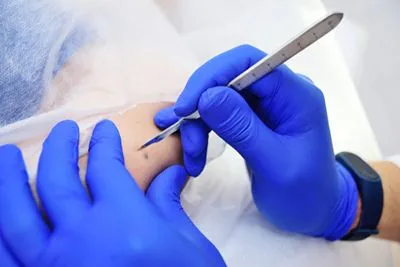
When to Consider Mole Removal
Mole removal may be recommended when:
- A mole shows signs of irregular growth, such as changes in size, shape, or color
- A mole becomes painful, itchy, or bleeds
- There is a family or personal history of skin cancer
- The mole is in a spot that causes irritation from clothing, shaving, or friction
- The patient is unhappy with the mole’s appearance
Even if a mole seems harmless, a dermatologist’s evaluation is the best way to know whether removal is necessary.
Treatment Options for Mole Removal
There are several methods for mole removal, depending on the type, size, and location:
Excision – The mole is carefully cut out, and stitches may be used to close the skin.
Shave removal – A surgical blade is used to gently shave the mole so that it blends with the surrounding skin.
Mohs Micrographic Surgery – When a mole is suspected to be cancerous, this advanced technique allows the surgeon to remove skin cancer layer by layer while examining each sample under a microscope. This process preserves as much healthy skin as possible while ensuring that all cancer cells are removed.
Our team at Skin Cancer and Dermatology Center has specialized training in Mohs surgery, offering patients the most precise and effective treatment for high-risk or complex cases of skin cancer.
What to Expect During and After Treatment
Mole removal is generally a quick, in-office procedure with local anesthesia to keep the area comfortable. After removal, the site may require simple care at home, and healing usually takes a few weeks. If stitches are used, they are typically removed in about one to two weeks.
Our dermatologists provide clear instructions for aftercare and schedule follow-up visits if needed. When we are concerned about skin cancer, the mole is sent for pathology testing, and the results are reviewed with each patient.