
Eczema in Children vs. Adults: How Patient Care Differs
- posted: Mar. 16, 2026
Eczema can affect individuals at any age, but its presentation and management often differ between children and adults. At Skin Cancer & Dermatology Center in Colorado Springs, Pueblo, and Trinidad, CO, patients of all ages receive care tailored to their unique skin needs and life stages. Understanding how eczema changes over time can help families seek timely, appropriate treatment and find lasting relief.
Understanding Eczema at Different Ages
Eczema, also known as atopic dermatitis, is a chronic inflammatory skin condition that leads to dryness, itching, redness, and irritation. In children, eczema often appears in infancy or early childhood. It frequently affects the cheeks, scalp, and outer surfaces of the arms and legs. Young skin tends to be more delicate and reactive, and flare-ups may be triggered by environmental factors, certain fabrics, temperature changes, or irritants in soaps and detergents.
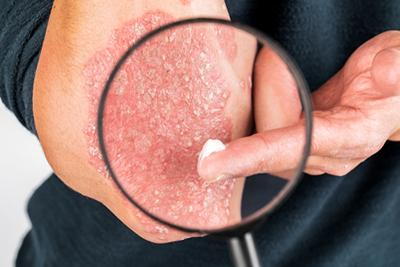
In adults, eczema may look and behave differently. It often appears on the hands, neck, face, or inside the elbows and knees. The skin can become thickened over time due to repeated scratching, and symptoms may be more persistent. Stress, occupational exposures, and underlying medical conditions can play a larger role in adult flare-ups. While some individuals outgrow childhood eczema, others continue to experience symptoms into adulthood or develop it later in life.
How Treatment Approaches Differ
Caring for eczema in children requires a gentle and thoughtful approach. Treatment plans are designed to soothe irritation while protecting the developing skin barrier. Moisturization plays a central role, and topical medications are selected carefully to ensure safety for young patients. Education for parents is also essential, helping families recognize early signs of a flare and understand how daily skincare habits can reduce discomfort and prevent complications.
Adult care often involves a broader strategy. In addition to restoring the skin barrier and reducing inflammation, treatment may address lifestyle factors and environmental triggers. Adults may require stronger prescription therapies or advanced treatment options when symptoms are moderate to severe. Because chronic eczema can affect sleep, confidence, and overall quality of life, management also focuses on minimizing long-term skin damage and improving daily comfort.
Find Care Tailored to You
In both children and adults, consistent follow-up and individualized care are key. Eczema is not a one-size-fits-all condition, and symptoms can evolve over time. A personalized treatment plan helps ensure that each patient receives the right level of support at every stage of life.
Eczema does not have to control daily life. For comprehensive evaluation and tailored care, schedule an appointment at Skin Cancer & Dermatology Center in Colorado Springs, CO, at (719) 574-0310, in Pueblo, CO, at (719) 564-5544, or in Trinidad, CO, at (800) 290-2478. Professional guidance can make a meaningful difference in achieving healthier, more comfortable skin.
- posted: Mar. 16, 2026
Eczema can affect individuals at any age, but its presentation and management often differ between children and adults. At Skin Cancer & Dermatology Center in Colorado Springs, Pueblo, and Trinidad, CO, patients of all ages receive care tailored to their unique skin needs and life stages. Understanding how eczema changes over time can help families seek timely, appropriate treatment and find lasting relief.
Understanding Eczema at Different Ages
Eczema, also known as atopic dermatitis, is a chronic inflammatory skin condition that leads to dryness, itching, redness, and irritation. In children, eczema often appears in infancy or early childhood. It frequently affects the cheeks, scalp, and outer surfaces of the arms and legs. Young skin tends to be more delicate and reactive, and flare-ups may be triggered by environmental factors, certain fabrics, temperature changes, or irritants in soaps and detergents.
In adults, eczema may look and behave differently. It often appears on the hands, neck, face, or inside the elbows and knees. The skin can become thickened over time due to repeated scratching, and symptoms may be more persistent. Stress, occupational exposures, and underlying medical conditions can play a larger role in adult flare-ups. While some individuals outgrow childhood eczema, others continue to experience symptoms into adulthood or develop it later in life.
How Treatment Approaches Differ
Caring for eczema in children requires a gentle and thoughtful approach. Treatment plans are designed to soothe irritation while protecting the developing skin barrier. Moisturization plays a central role, and topical medications are selected carefully to ensure safety for young patients. Education for parents is also essential, helping families recognize early signs of a flare and understand how daily skincare habits can reduce discomfort and prevent complications.
Adult care often involves a broader strategy. In addition to restoring the skin barrier and reducing inflammation, treatment may address lifestyle factors and environmental triggers. Adults may require stronger prescription therapies or advanced treatment options when symptoms are moderate to severe. Because chronic eczema can affect sleep, confidence, and overall quality of life, management also focuses on minimizing long-term skin damage and improving daily comfort.
Find Care Tailored to You
In both children and adults, consistent follow-up and individualized care are key. Eczema is not a one-size-fits-all condition, and symptoms can evolve over time. A personalized treatment plan helps ensure that each patient receives the right level of support at every stage of life.
Eczema does not have to control daily life. For comprehensive evaluation and tailored care, schedule an appointment at Skin Cancer & Dermatology Center in Colorado Springs, CO, at (719) 574-0310, in Pueblo, CO, at (719) 564-5544, or in Trinidad, CO, at (800) 290-2478. Professional guidance can make a meaningful difference in achieving healthier, more comfortable skin.
Our Locations
1975 Research Parkway, Suite 165
Colorado Springs, CO 80920
Hours of Operation
Closed for lunch from 12:00 PM - 1:00 PM
Colorado Springs Location
Monday
7:30 am - 5:00 pm
Tuesday
7:30 am - 5:00 pm
Wednesday
7:30 am - 5:00 pm
Thursday
7:30 am - 5:00 pm
Friday
8:00 am - 4:00 pm
Saturday
Closed
Sunday
Closed
Trinidad Location
Monday
Closed
Tuesday
Closed
Wednesday
Closed
Thursday
Closed
Friday
8:00 am - 4:30 pm
Saturday
Closed
Sunday
Closed
Pueblo Location
Monday
8:00 am - 5:00 pm
Tuesday
8:00 am - 5:00 pm
Wednesday
8:00 am - 5:00 pm
Thursday
8:00 am - 5:00 pm
Friday
8:00 am - 4:00 pm
Saturday
Closed
Sunday
Closed