
What Eczema Is and Why It Develops
- posted: Jan. 24, 2026
Eczema is a chronic skin condition that affects people of all ages, often causing persistent itching, redness, dryness, and irritation. Symptoms can fluctuate over time, with periods of improvement followed by flare-ups that disrupt daily comfort and quality of life. At the Skin Cancer and Dermatology Center, serving patients in Colorado Springs, Pueblo, and Trinidad, CO, eczema care focuses on long-term management strategies that protect the skin barrier and reduce inflammation.
What Eczema Is and Why It Develops
Eczema, also known as atopic dermatitis, occurs when the skin’s protective barrier does not function properly. This allows moisture to escape and irritants to penetrate the skin more easily, leading to inflammation and sensitivity. Genetics often plays a role, as eczema tends to run in families. Environmental factors such as weather changes, dry air, harsh soaps, and stress can also contribute to flare-ups.
Because eczema is inflammatory in nature, symptoms may worsen during periods of illness, stress, or exposure to irritants.
Common Symptoms of Eczema
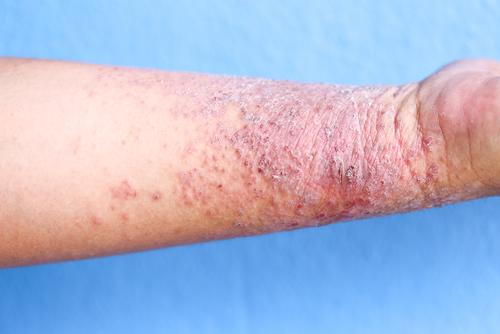
Eczema symptoms vary from person to person and may change over time. Many patients experience dry, rough patches of skin that feel itchy or uncomfortable. Redness, swelling, cracking, or oozing may occur during more severe flare-ups. In children, eczema often appears on the face, arms, or behind the knees, while adults may notice symptoms on the hands, neck, or feet.
Frequent scratching can worsen irritation and increase the risk of skin infection, making consistent management important.
Identifying and Managing Triggers
One of the most important aspects of eczema care is identifying triggers that cause flare-ups. These may include fragranced skincare products, certain fabrics, extreme temperatures, or prolonged exposure to water. Keeping a symptom diary can help patients recognize patterns and avoid common irritants.
Daily moisturizing is essential to support the skin barrier and reduce dryness. Using gentle cleansers and applying moisturizers immediately after bathing can help lock in hydration.
Treatment Options for Long-Term Control
Eczema treatment is individualized based on symptom severity, age, and lifestyle. Mild cases may improve with consistent skincare routines and prescription topical medications designed to calm inflammation. Moderate to severe eczema may require additional therapies to reduce itching and control flare-ups more effectively.
The goal of treatment is both symptom relief and prevention of future flares.
When to Seek Dermatologic Care
If eczema symptoms are persistent, worsening, or interfering with sleep and daily activities, professional evaluation is recommended. A dermatologist can confirm the diagnosis, rule out other skin conditions, and create a tailored treatment plan that supports long-term skin health.
Expert Eczema Care in Southern Colorado
Eczema can be frustrating, but with proper care and guidance, symptoms can be managed effectively. The Skin Cancer and Dermatology Center provides personalized eczema evaluation and treatment for patients in Colorado Springs, Pueblo, and Trinidad, CO.
To schedule an appointment, call Colorado Springs at (719) 574-0310, Pueblo at (719) 564-5544, or Trinidad at (800) 290-2478.
- posted: Jan. 24, 2026
Eczema is a chronic skin condition that affects people of all ages, often causing persistent itching, redness, dryness, and irritation. Symptoms can fluctuate over time, with periods of improvement followed by flare-ups that disrupt daily comfort and quality of life. At the Skin Cancer and Dermatology Center, serving patients in Colorado Springs, Pueblo, and Trinidad, CO, eczema care focuses on long-term management strategies that protect the skin barrier and reduce inflammation.
What Eczema Is and Why It Develops
Eczema, also known as atopic dermatitis, occurs when the skin’s protective barrier does not function properly. This allows moisture to escape and irritants to penetrate the skin more easily, leading to inflammation and sensitivity. Genetics often plays a role, as eczema tends to run in families. Environmental factors such as weather changes, dry air, harsh soaps, and stress can also contribute to flare-ups.
Because eczema is inflammatory in nature, symptoms may worsen during periods of illness, stress, or exposure to irritants.
Common Symptoms of Eczema
Eczema symptoms vary from person to person and may change over time. Many patients experience dry, rough patches of skin that feel itchy or uncomfortable. Redness, swelling, cracking, or oozing may occur during more severe flare-ups. In children, eczema often appears on the face, arms, or behind the knees, while adults may notice symptoms on the hands, neck, or feet.
Frequent scratching can worsen irritation and increase the risk of skin infection, making consistent management important.
Identifying and Managing Triggers
One of the most important aspects of eczema care is identifying triggers that cause flare-ups. These may include fragranced skincare products, certain fabrics, extreme temperatures, or prolonged exposure to water. Keeping a symptom diary can help patients recognize patterns and avoid common irritants.
Daily moisturizing is essential to support the skin barrier and reduce dryness. Using gentle cleansers and applying moisturizers immediately after bathing can help lock in hydration.
Treatment Options for Long-Term Control
Eczema treatment is individualized based on symptom severity, age, and lifestyle. Mild cases may improve with consistent skincare routines and prescription topical medications designed to calm inflammation. Moderate to severe eczema may require additional therapies to reduce itching and control flare-ups more effectively.
The goal of treatment is both symptom relief and prevention of future flares.
When to Seek Dermatologic Care
If eczema symptoms are persistent, worsening, or interfering with sleep and daily activities, professional evaluation is recommended. A dermatologist can confirm the diagnosis, rule out other skin conditions, and create a tailored treatment plan that supports long-term skin health.
Expert Eczema Care in Southern Colorado
Eczema can be frustrating, but with proper care and guidance, symptoms can be managed effectively. The Skin Cancer and Dermatology Center provides personalized eczema evaluation and treatment for patients in Colorado Springs, Pueblo, and Trinidad, CO.
To schedule an appointment, call Colorado Springs at (719) 574-0310, Pueblo at (719) 564-5544, or Trinidad at (800) 290-2478.
Our Locations
1975 Research Parkway, Suite 165
Colorado Springs, CO 80920
Hours of Operation
Closed for lunch from 12:00 PM - 1:00 PM
Colorado Springs Location
Monday
7:30 am - 5:00 pm
Tuesday
7:30 am - 5:00 pm
Wednesday
7:30 am - 5:00 pm
Thursday
7:30 am - 5:00 pm
Friday
8:00 am - 4:00 pm
Saturday
Closed
Sunday
Closed
Trinidad Location
Monday
Closed
Tuesday
Closed
Wednesday
Closed
Thursday
Closed
Friday
8:00 am - 4:30 pm
Saturday
Closed
Sunday
Closed
Pueblo Location
Monday
8:00 am - 5:00 pm
Tuesday
8:00 am - 5:00 pm
Wednesday
8:00 am - 5:00 pm
Thursday
8:00 am - 5:00 pm
Friday
8:00 am - 4:00 pm
Saturday
Closed
Sunday
Closed