
Actinic Keratosis and Skin Cancer Prevention Importance of Early Detection and Treatment
- posted: Jan. 08, 2026
Living in beautiful Southern Colorado means we get to enjoy some of the best sunshine in the country. But whether you’re hiking in Colorado Springs, gardening in Pueblo, or exploring around Trinidad, that high-altitude sun can take a toll on your skin. One of the most common things we see in our offices is Actinic Keratosis (AK), those small, crusty, or scaly patches that pop up on sun-exposed areas.
At the Skin Cancer and Dermatology Center, we want you to think of AKs as a friendly but firm warning from your body. They aren't cancer yet, but they are "precancers" that have the potential to turn into squamous cell carcinoma if they're left alone. Taking care of them now is one of the easiest ways to keep your skin healthy for the long haul.
Spotting the Signs: What Does AK Look Like?
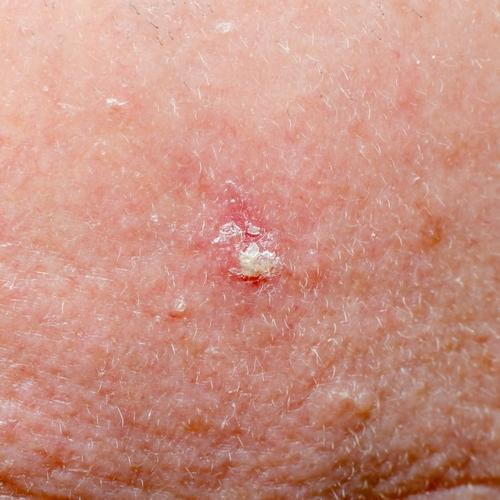
Actinic Keratoses often feel like a rough patch of skin before you can even see them. They might remind you of a bit of sandpaper or a small, stubborn scab that keeps coming back. You’ll usually find them on your face, ears, scalp, or the backs of your hands.
It’s easy to brush these off as just "getting older" or "dry skin," but it’s better to be safe than sorry. Checking your skin regularly is a great habit to get into. Think of it as a quick "tune-up" for your health. If you see something new, changing, or just plain weird, let’s take a look at it together. Catching these early makes treatment much simpler and keeps your skin looking its best.
Why Early Treatment is a Good Idea
The great news about AKs is that we have plenty of ways to clear them up before they become a real problem. Depending on what your skin needs, our Colorado Springs, Pueblo, and Trinidad offices might provide:
- Cryotherapy: A quick "freeze" with liquid nitrogen to remove the spot.
- Topical Creams: Prescription treatments you apply at home to damaged cells.
- Photodynamic Therapy (PDT): A specialized light treatment that clears away sun-damaged areas across a larger surface, like your whole forehead or scalp.
Treating AKs isn't just about getting rid of a rough spot; it’s about stopping skin cancer before it even starts. It’s a proactive move that gives you peace of mind so you can get back to enjoying the Colorado outdoors without that nagging worry in the back of your mind.
Your Daily "Insurance Policy" for Great Skin
We’re all about keeping things simple when it comes to skin health. You don't have to stay indoors to stay safe! Taking care of your skin is just like any other healthy habit. The more consistent you are, the better you’ll feel.
- Rock the Shade: A wide-brimmed hat is a Colorado essential.
- Sunscreens are Your Best Friend: Find a formula you actually like wearing and make it part of your morning routine.
- Mid-Day Awareness: The sun is at its strongest between 10 a.m. and 4 p.m., so that’s a great time to grab a spot under a tree or a patio umbrella.
Let's Keep Your Skin Healthy Together
At the end of the day, you know your body better than anyone. If a spot is worrying you or if you’ve had a lot of sun exposure over the years, come see us. We’re here to be your partners in health, providing a supportive environment where we can keep your skin clear and healthy. You've only got one set of skin, so let's treat it with the respect it deserves!
Let’s get your skin checked so you can keep enjoying everything Colorado has to offer! Call us at the following numbers:
Colorado Springs: (719) 574-0310
Pueblo: (719) 564-5544
Trinidad: (800) 290-2478
- posted: Jan. 08, 2026
Living in beautiful Southern Colorado means we get to enjoy some of the best sunshine in the country. But whether you’re hiking in Colorado Springs, gardening in Pueblo, or exploring around Trinidad, that high-altitude sun can take a toll on your skin. One of the most common things we see in our offices is Actinic Keratosis (AK), those small, crusty, or scaly patches that pop up on sun-exposed areas.
At the Skin Cancer and Dermatology Center, we want you to think of AKs as a friendly but firm warning from your body. They aren't cancer yet, but they are "precancers" that have the potential to turn into squamous cell carcinoma if they're left alone. Taking care of them now is one of the easiest ways to keep your skin healthy for the long haul.
Spotting the Signs: What Does AK Look Like?
Actinic Keratoses often feel like a rough patch of skin before you can even see them. They might remind you of a bit of sandpaper or a small, stubborn scab that keeps coming back. You’ll usually find them on your face, ears, scalp, or the backs of your hands.
It’s easy to brush these off as just "getting older" or "dry skin," but it’s better to be safe than sorry. Checking your skin regularly is a great habit to get into. Think of it as a quick "tune-up" for your health. If you see something new, changing, or just plain weird, let’s take a look at it together. Catching these early makes treatment much simpler and keeps your skin looking its best.
Why Early Treatment is a Good Idea
The great news about AKs is that we have plenty of ways to clear them up before they become a real problem. Depending on what your skin needs, our Colorado Springs, Pueblo, and Trinidad offices might provide:
- Cryotherapy: A quick "freeze" with liquid nitrogen to remove the spot.
- Topical Creams: Prescription treatments you apply at home to damaged cells.
- Photodynamic Therapy (PDT): A specialized light treatment that clears away sun-damaged areas across a larger surface, like your whole forehead or scalp.
Treating AKs isn't just about getting rid of a rough spot; it’s about stopping skin cancer before it even starts. It’s a proactive move that gives you peace of mind so you can get back to enjoying the Colorado outdoors without that nagging worry in the back of your mind.
Your Daily "Insurance Policy" for Great Skin
We’re all about keeping things simple when it comes to skin health. You don't have to stay indoors to stay safe! Taking care of your skin is just like any other healthy habit. The more consistent you are, the better you’ll feel.
- Rock the Shade: A wide-brimmed hat is a Colorado essential.
- Sunscreens are Your Best Friend: Find a formula you actually like wearing and make it part of your morning routine.
- Mid-Day Awareness: The sun is at its strongest between 10 a.m. and 4 p.m., so that’s a great time to grab a spot under a tree or a patio umbrella.
Let's Keep Your Skin Healthy Together
At the end of the day, you know your body better than anyone. If a spot is worrying you or if you’ve had a lot of sun exposure over the years, come see us. We’re here to be your partners in health, providing a supportive environment where we can keep your skin clear and healthy. You've only got one set of skin, so let's treat it with the respect it deserves!
Let’s get your skin checked so you can keep enjoying everything Colorado has to offer! Call us at the following numbers:
Colorado Springs: (719) 574-0310
Pueblo: (719) 564-5544
Trinidad: (800) 290-2478
Our Locations
1975 Research Parkway, Suite 165
Colorado Springs, CO 80920
Hours of Operation
Closed for lunch from 12:00 PM - 1:00 PM
Colorado Springs Location
Monday
7:30 am - 5:00 pm
Tuesday
7:30 am - 5:00 pm
Wednesday
7:30 am - 5:00 pm
Thursday
7:30 am - 5:00 pm
Friday
8:00 am - 4:00 pm
Saturday
Closed
Sunday
Closed
Trinidad Location
Monday
Closed
Tuesday
Closed
Wednesday
Closed
Thursday
Closed
Friday
8:00 am - 4:30 pm
Saturday
Closed
Sunday
Closed
Pueblo Location
Monday
8:00 am - 5:00 pm
Tuesday
8:00 am - 5:00 pm
Wednesday
8:00 am - 5:00 pm
Thursday
8:00 am - 5:00 pm
Friday
8:00 am - 4:00 pm
Saturday
Closed
Sunday
Closed